The Readlist: August 2016

I’m Not With The Band by Sylvia Patterson

I read a lot of good reviews and interviews in the press about this book and was looking forward to it. Surprisingly though, given the way it was being promoted in the media, it was incredibly difficult to actually go into a book store and buy it.im-not-with-the-band-final Nobody was stocking it and I had to resort to actually ordering it in.
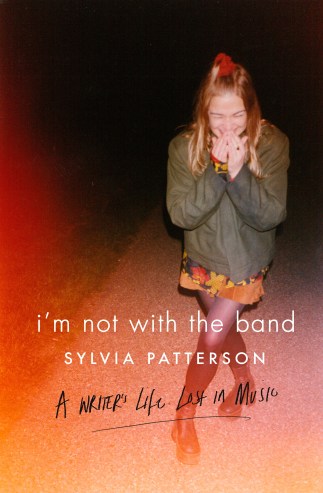
Headline wise for this book, I found it a little disappointing. I think I was expecting it to be more like Mark Frith’s excellent memoir of his time as editor of heat magazine, The Celebrity Diaries, which is witty, interesting (even a page-turner?) and full of anecdotes. Patterson I think tries to achieve this but doesn’t quite get there. If anything it’s more of a personal memoir than explicitly a firsthand exploration of the world of pop music journalism from the 80s to now, which is what I was hoping for. I don’t begrudge her including swathes on her personal life, the relationship she had with her parents, her boyfriends and flatmates or her drug use but I felt a little cheated in retrospect. It got to the stage where I was thinking “oof, I should really pick that up again and get another chapter out the way” rather than me actually wanting and looking forward to reading it.

Truth be told, writing this a few weeks after reading it, there’s very little of her showbiz anecdotes that I remember. There was tales of her conversations with Prince (by far the most interesting thing in the book), Madonna and Westlife but even then it feels like you’re reading the exact same interview that would have been published at the time with the occasional side swipe thrown in. I don’t feel like I got to experience anything new or see these huge superstars from a different perspective. A shame really. Danny Baker’s first autobiography, which I read earlier in the year, seems to have a better and more amusing ability to balance personal life stories with celebrity interaction.

Holding The Man by Timothy Conigrave

For a book which is held in such high esteem over in Australia, its country of origin, I was surprised by how few people are aware of its existence over here and how difficult it was to buy a copy this side of the world even though it’s been turned into a very famous play. I ended up getting it shipped to me direct from Aus in part because, I think for the first time in the history of the world, the movie tie-in cover was actually more attractive and better than the original cover. By happy coincidence the film was also added to Netflix UK recently so I set out to read the book first and then watch the film. More on my experience of that in September’s watchlist.

This is another memoir and you’re aware of where it’s headed before it’s even started. Both the author and his boyfriend died of HIV and AIDs related illnesses with Conigrave only finishing the book mere days before he himself died. Exploring his life in the first person from around the age of nine, he revisits his time in a staunchly Catholic boys school and how he grew up and discovered himself and all the usual gubbins. There was a period in my life when I feel like I watched about a billion coming-of-age films as some kind of antidote for the fact I was failing to come-of-age myself. I was just kind of bumbling on, getting older but not feeling like I was having any new experiences first hand. It’s actually only now, having left home, that those cogs are beginning to turn and I feel like I am indeed ‘living’.

Anyway, that aside, it was refreshing to read a gay coming of age story. The book is, dare I say, quite filthy in the first half. There’s a lot of sex scenes, some based with boys at school and others (eventually) with his lover John Caleo. I won’t lie and say these weren’t enjoyable but there’s a very sharp change in feel from being carefree and sexual in the first section to the second half of the book when things begin to come to a painful head. One of the most fascinating things for me is that although Conigrave grew up in a Catholic school in the 60s/70s Conigrave had numerous gay experiences seemingly very easily and was actually surrounded by a surprising number of gay men. Even some of the teachers/priests at the school were out as homosexual (admittedly ‘celibate’). There was still the expected homophobia from some however, notably John’s parents.

Conigrave is clearly a very flawed person and has different ideals from his partner John. Reading the book, I think in retrospect he realises his flaws and in part apologises for them. His adultery is the stand out one but Conigrave is also quite a selfish person. Not hugely at the expense of others but it’s clear he doesn’t consider other people’s feelings until after his own – he nearly announced he was HIV+ at his sister’s wedding for example. An important book? Definitely. It’s a really solid look back at the gay plague and its spread in the 80s. Conigrave redeems himself and his poor character by the huge amount of HIV and AIDs related outreach work he throws himself into at the time, and this is probably a defined turning point in him as a person.

This is a book that I can guarantee I will return to and read again at some point in the next eighteen months. Indeed, this was the first book that I’ve picked up and read cover to cover in 24 hours since I was an early teenager. I’d forgotten what it was like just to sit and be lost in a world and a story (be it fiction or non-fiction), given how busy we all are and the working life I now lead. A must read.

Long reads & Articles

Mapping The Future For a song that was only a minor mainstream hit, its implications for op music going forward were wide-reaching and it’s still sampled today. The Yeah Yeah Yeah’s Maps and its influence is analysed in detail.

How’s the book coming along? All writers dream of writing a book. What happens when you’ve got the time and a great idea? An honest reflection on the process and how your enthusiasm for your own project can wane.

Face Up To The Facts Some people have better facial recognition than others – that’s just a fact. Indeed, there’s a known medical diagnosis for those who struggle to place faces called prosopagnosia. This explores the opposite side of the spectrum and how people with amazing facial memories are helping the police catch criminals often long after the case was opened.

Sexty Miles An Hour I grew up in a town that sat adjacent to the A1 so sex-shops were continually there in my conscience as a child. In fact, one exists near Grantham on the site of a former McDonalds and I imagine (having never been in since) that there’s a rack of dildos next to where I used to enjoy a Happy Meal…now they’re spreading happiness of a different kind. This Vice article explores them.

Harder, better, faster, stronger! With the ‘limpics this month, the New York Times created five explorations of what makes some athletes at the top of their game quite so special. There’s five in total and it combines text with diagrams, videos and interaction.

Droning On Drones for military setting seemed to have passed into the public consciousness as acceptable; we are now unquestioning as to whether they’re morally right or not. But if the technology exists for the ‘good guys’ then surely when you flip it on its head then there’s a whole load of evil they can do… how do we stop the killer robots?
 

The Watchlist: August 2016

Films

The Lobster

I hold my hands up here: I actually watched this film in July and forgot to add it to my list to add to that month’s blog. An unlikely oversight actually as I believe that The Lobster might be up there as one of my favourite films ever. It’s dark and macabre, set in the near future where singletons are carted off to a hotel to find a perfect match. If they’re unsuccessful they’re turned into an animal of their choice. There’s so many layers to this film to go into but I don’t want to spoil it for those who haven’t seen it because I’d recommend it to anyone. The most interesting element of the film is the hotel itself (run by Olivia Colman) and it’s a shame that the focus shifts away from it in the second half but I understand that the plot had to develop. The visits to the city as they pretend to be couples are interestingly done and the ending to the whole film is so darkly twisted but oddly romantic as well. How far would you go for someone you loved?

There’s a lot of interesting social commentary buried deep within this film. There’s a fascination within the hotel of finding someone with whom you have something in common with, something to bond over and start a relationship. Everybody is pigeonholed into the boxes of what they like and dislike these days, with Tinder et al showcasing your music choices, your favourite films and your Facebook page likes. As much as these do help define you as a person common cultural affinity is not the be all and end all of a relationship. And of course, the other commentary is that its impossible to be happily single. The expectation in this dystopian fantasy is that those who are single cannot function efficiently, they’re a drain and without a mate then your life is pointless. There is an assumption (that I make as much as anybody else) that single people are unhappy in their status and consistently on the hunt for someone. It’s wrong but society presents it in that way – going to a restaurant on your own as a single person? Tragic! etc. Also, amusingly, children are given to couples who argue in their marriage to force them to get along. Au contraire!

the-lobster-trailer-film4

Paddington

I turned against animated films in my teens somehow believing that they were childish. I think I failed to understand that being family friendly does not mean that they’re dull for adults; in fact I’d say most animated films have little nods to the adults with in jokes and innuendo that will go over most kids’ heads. Admittedly, Paddington *technically* isn’t an animated film per se, it’s live action with animation. I remember there was a lot of fear about this movie prior to its release in that it would ruin the Paddington franchise (not helped by Colin Firth backing out) but the end results are utterly charming. There’s a tangible solid plot, it’s amusing and the combination of live action and animation doesn’t look ridiculous. A great family movie, all star British cast and it contains Ben Whishaw, Peter Capaldi and Julie Walters. What more could you want?

The Legend Of Barney Thomson

For a film that only came out a year ago I was surprised to discover I had no knowledge of its existence. I merely plucked for it while scrolling through Netflix and was pleasantly surprised. It revolves around dear old incredibly-dull barber Barney Thomson who spends most of his time shepherding his mother from place to place. Things accidentally spiral out of his control and he becomes Scotland’s most wanted man and the more he tries to fix the situation the worst it gets. This is a twisted film, morose and dark but very watchable – and just over 90 minutes long! Perfect! There’s some violence but this is presented in a heightened sense, not in a comedy grotesque Hot Fuzz way, and there’s a fair bit of swearing (hello Scotland!) but I enjoyed it.

Television

Murder Most Horrid

I hadn’t watched this show for years – it was originally streaming on a mostly forgotten service called SeeSaw which was a collection of a whole host of content from across the BBC, ITV and C4 which you could watch on demand with short ad breaks at intervals. It was probably a little ahead of the curve to be honest and might thrive today (although broadcasters are oddly protective of their shows now, only licensing them to certain services, often their own) – I think the team behind it went on to try and get the doomed Project Kangaroo and alter YouView off the ground.

cast

Anyway, that aside, I remember enjoying series one and two immensely when I watched them. Dawn French plays a different character in each episode in a completely different scenario, all with one defining link – there’s death and a murder involved. These are still incredibly good actually, a little dated in places given it was set in the 90s, but I can see these as being ripe for a BBC Two daytime re-run. Oddly, I found some of the episodes in S3 & 4 incredibly weak , particularly the S3 opener. This seemed odd to me as the show had been off air for a few years before it returned, surely you’d want to come back with a bang? There is some really great plot ideas here though – the abattoir worker who becomes an executioner, the Grim Reaper trying to get to her next appointment and the Head Of Obituaries in a TV company who resorts to killing celebrities to help keep her job. It’s also nice to see some very recognisable actors pop up before they hit the big time! And the theme tune is great too… “as soft as the smoke from a barrel…”

Naked Attraction

Look, I’m not judging you if you watched and enjoyed this show… I did. It feels little smutty and dirty and people were degrading it on Twitter but you have to admit it’s an interesting and original concept. Six naked people are slowly revealed to someone looking for love and they are then whittled down to one to go on a date with. Admittedly, I may have watched this purely to see some naked people on TV originally (no erections though, obviously – I did think judging potential sexual partners on their flaccid penis was a little pointless, but y’know) but kind of got drawn into it all. There were some sound issues with some episodes and the individual booths weren’t mic’ed up properly so you couldn’t here the naked people clearly when they spoke but I think it was an okay programme. It certainly got people talking! The date section at the end though was incredibly abrupt which made it appear like the entire thing was purely to get cocks and tits on TV. There was also the inclusion of lots of faux science sections as if that somehow made the entire thing incredibly relevant: “men with a large Adam’s apple are more attractive to 62% women!”

klopovnik-scene

Fleabag

What a show this is – ostensibly filthy but it’s got some great lines within it: “how did you two meet?” “he fucked me up the arse”masking the huge amounts of pain that are protagonist, “Fleabag”, feels. She’s coming to terms with her best friend’s accidental suicide and more is revealed about it as the series goes on. She’s also desperately trying to be happy and believes that being sexually active is somehow the only way to this. She uses her sexuality as a gateway, believing that’s all she’s somehow worth and yet also trying to stick up for feminist values at the same time. This is really funny but also incredibly mellow in places. There’s been lots of comparisons to Miranda in the press given the looks to camera that Fleabag gives, but these are far cleverer in their timings than Miranda and really involve the viewer in her world. Breaking the fourth wall is one of my favourite dramatic devices, be it in film or books, and it’s used to aplomb here, both unnervingly (there’s a to camera monologue while she’s having sex) and also in a hilarious and an emotionally raw way too.

Jessica Jones

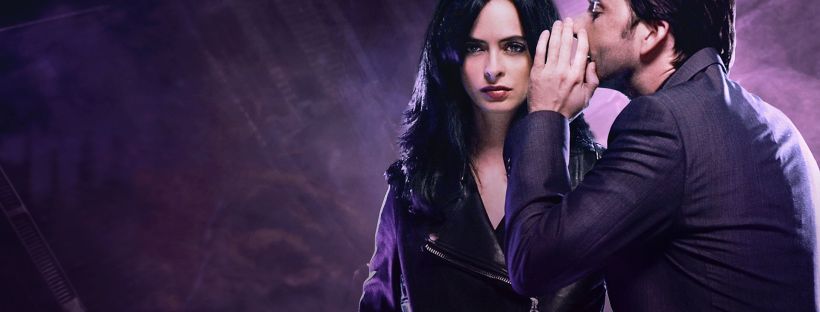
Bit late to the hype on this one. People were raving about it late last year and I was little scared off it by the fact it was marvel product. I’m not big into superhero films. I find them incredibly repetitive and dull, with the same peril each time and the same ‘city destroyed in an epic battle’ ending. And let’s be honest, we all know the superhero will win. I tried to start The Flash TV series and fell off it (Arrow and Daredevil didn’t interest me) but I thoroughly enjoyed Agent Carter, so I knew I wasn’t completely against all Marvel series. Jessica Jones though? Almost outstanding. Like Agent Carter, Jones is portrayed as a human being (albeit with more character flaws than Carter) but with powers and abilities and belief she’s the only one who can bring down the baddy. In this case it’s David Tennant who is formidable as Kilgrave. Always appearing snappily dressed (so envious of Kilgrave’s suits) he can control people with words – whatever he says they do, unquestioning. I was pleased Tennant landed this role in retrospect. Having played the Doctor it must be incredibly hard to be somehow typecast going forward (Eccleston might have been right to quit…) and the similarities between the Doctor and Kilgrave are a little unnerving to begin with – admittedly the similarities are just ‘British guy in a suit’ but STILL.

Jones has a load of people around her, many of whom she pushes away by being the moody bitch that she is. There’s her hallmate who looks so much like musician The Weeknd even his own mother would struggle to differentiate, her best friend the childstar turned talk show host, the bar manager (Luke Cage) she begins a troubled romantic liaison with. There’s a lot to her past though and lots of things that overlap, slowly drip revealed at the show goes on and there’s enough to keep plates spinning in series two. I admit I found the finale a little flat and disappointing but overall the series delivered on an interesting concept incredibly well. Up there as one of the best series I’ve watched.

Also, surprisingly, alongside The Weeknd confusion it turns out Jones isn’t played by the woman out of Torchwood?! Who knew.

The 80s with Dominic Sandbrook

This documentary series got a little bit lost and I feel it didn’t create quite the buzz it could have done, as it was aired during the ‘limpics. There’s a cultural obsession with the 80s; the music, the politics, the societal change and there’s been countless documentaries focussing on it. It’s difficult to tread too much new ground but Sandbrook manages to present it in a light, new way. He presents a host of the things he deems to be the most important and influential in that decade to ordinary people (Delia Smith over Margaret Thatcher for example)  although the obvious bits come into play too. And of course, given the territory, the pop music soundtrack was 💯.

‘limpics

The only time in four years I’ll ever get drawn into the sporting world. It’s just nice to have easily accessible streams and programmes on TV showcasing sports like gymnastics, badminton, handball, diving etc. The BBC’s coverage was second-to-none as always and a special mention should go to the madness on BBC Four every evening with the Copacabinmen, Maria the bride and Dan Walker. Once again all the cynicism and politics in the world seem to broadly disappear for two weeks (particularly on social  media) and its glorious.

All Aboard the Country Bus – More slow TV from BBC Four. Glory days! It alos aired just after the ‘limpics, the perfect antidote to having “our” channel taken over by sports coverage. Someone on Twitter described it as the channel for people who had notes to get out of PE when they were younger and they couldn’t be more right.

Only Connect – back again with a slightly new format this year. I can’t watch it as much as I’d like due to my work shifts but I always enjoy it when I stick it on.

First Dates – don’t get me started on the scheduling madness again. It appeared for three episodes than buggered off. Bloody hell Channel 4!

The Readlist: July 2016

Ooh, what a treat this month was. I finally got my hand on a book I’ve wanted for ages…

Me & Murder, She Wrote by Peter S Fischer

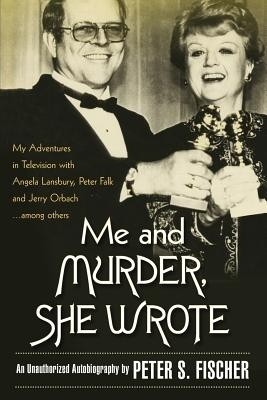
me-and-murder-she-wrote-400x400-imadq2ayxnaq3njeFor anybody who has seen any episode of MSW the name ‘Peter S Fischer’ should be familiar to you – it flashes up in the opening credits as one of the creators of the show. His memoir about his work in television had a small print run back a few years ago and as a result is incredibly difficult to get hold of. It’s become one of those books where the Amazon algorithms have taken over and the price continually spirals -asking prices for it were often well over £150. I checked back occasionally and on one occasion was lucky enough to find one had recently been put up from a UK seller for £12.99 plus P+P. A bargain in comparison!
To be honest, the book is  little misleading. Although he is most well known for Murder, She Wrote the book doesn’t focus on this nearly as much as the title would have you believe. He starts it ‘in media res’ with a meeting between himself and Angela “call me Angie” Lansbury and then starts from the beginning of his life. Yes, it is fascinating, but some bits do drag a little and I think it’d be fair to say some sections could have been written a little better. I feel like I’ve committed some sacrilege by criticising a famous TV writer’s work, but truth hurts! (I also appreciate it’s a bit pot, kettle, black in terms of this blog’s terrible excuse for writing and punditry)

The memoir also acts as a window into a different world of US network television, back in the 70s and 80s when you had made for TV movies all over the place and where certain programmes can live and die by their time slot. Indeed, Fischer was aghast when network execs wanted to put Murder, She Wrote on Sunday evenings, a slot that was famously dull and quiet. However, it was a great success and stayed there for eleven seasons – when there’s nothing good up against it, people flocked to it as a result. Then for season 12 (the final one) it was moved to Thursday evenings up against some comedy or other called ‘Friends’. Viewing plummeted, the show was canned and never had a proper finale. Of course that hurts, but S12 of MSW was a far cry from earlier seasons and its time had come.

Fischer isn’t all about MSW though – after some breakthrough TV movies he worked on Columbo (the good 70s stuff) and also one of the most well remembered TV series of its time, Black Beauty, writing every episode. I should probably clarify at this point that he had nothing to do with the Mrs Columbo spin-off, which he regales the history of in the book to much amusement. Poor Kate Mulgrew, hey? Likewise, however, his very own MSW spin-off (which many people still don’t know exists) didn’t work either – The Law And Harry McGraw was placed in the wrong time slot and fell at the first hurdle.

Some of the book does fly straight over my head. There’s a lot of mentions of famous Hollywood actors and the huge honour it was working with them, and the A listers they managed to get for MSW episodes but the names mean nothing to me. They’re from a bygone era and many of them have now “passed on”.

This is a decent read for those interested in the media industry and its history and likewise for fans of the show too. I was eager to read Fischer’s take on all the internal politics of Murder, She Wrote and whether he blamed Lansbury for anything (notably, there were issues with S6 where half the episodes didn’t really feature Jessica at all and were just mysteries, both S5 & S7 were nearly the final series and from S8 Fischer left the show as Lansbury wanted it to take a different direction and wanted artistic control) but he was incredibly nice about it all and there were no harsh words. I was a *little* disappointed there to be honest.

Bonkers by Jennifer Saunders (audiobook)

There was a big change in my life circumstances this month, so I was a little all over the place and trying to get settled so turned to an Audiobook for the first time in my life. I opted for an autobiography and, completely at random, plumped for Jennifer Saunders. I’m in no way her biggest fan and have barely seen any of her work – French & Saunders was no longer on TV when I was past kids-stuff, and the clips of Absolutely Fabulous didn’t massively interest me and yet, she’s somehow this cultural icon in my eyes. She was quite fabulous as the fairy godmother in Shrek 2, it has to be said, and her version of Holding Out For A Hero is class-A.

It was a nice listen – nothing too demanding, not massively compelling either but I got through it, bumbling away in the background during car journeys. Were there any amazing zinger anecdotes? Nope. Was I expecting it to be a little funnier? Yes. Was I disappointed in it though? Not massively. She came across as human and unfazed by fame so that’s a tick from me. I also was completely unaware about her battle with breast cancer so that was an interesting section.

I’ve got another couple of Audible tokens to use and I haven’t been scared off audiobooks yet, so we shall see what’s next…

Articles & Long Reads

ONM! As a kid in that odd stage between being a proper child (under 8) and a teen (13+) I was obsessed by Nintendo. I didn’t own a Wii or a GameCube but the idea of doing so obsessed me and I read the pages of the Official Nintendo Magazine with fascination. It was witty, it was irreverent, it was sarcastic and I loved it – it probably helped shape my personality to be honest. Indeed, I once got a tweet published in it! What a moment that was for me. It was pre-Twitter ubiquity though so no one was particularly impressed. This is a nice look back at the mag and all it stood for (it ceased to be a few years ago, alongside Nintendo’s slide in popularity).

The Watchlist: July 2016

A bit of an odd month this month. I went into a bit of a voluntary cultural drought and wasn’t in the mood to start watching any new series of a big American drama or comedy. Instead, I went back and watched episodes of the ol’ familiar in my life. Also, a change in my circumstances (new job! New flat!) half way through the month impacted on my ability to watch bits and pieces as regularly as I used to.

Films

The Fundamentals Of Caring

Netflix Original! Netflix Original! For something that in essence is the equivalent of a straight-to-TV or straight-to-DVD movie, Netflix sure trumpet their exclusives a lot. Starring Craig Roberts out of Submarine (and Tracey Beaker, apparently? I have no memory of him whatsoever), Paul Rudd and Selena Gomez of all people (it took me a while to figure out where I knew her from) this is all about living your life to the full and not precariously through a screen. Oh the irony, as I sit here watching Netflix like its some life-giving organ rather than the life-the-fundamentals-of-caringsucking reality. This is an alright film – a good length, a solid plot and not too shoddy acting. Is it great? Nope. About as average as its possible to be and it could be funnier but it wastes 90 minutes of your life so whatever.
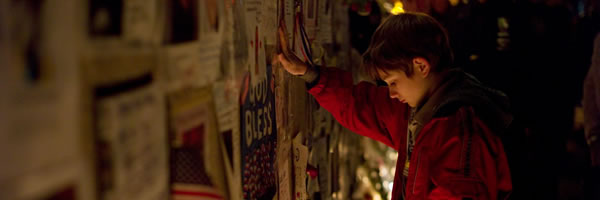
Extremely Loud And Incredibly Close

I feel like this film has been staring back at me from streaming services’ homescreens for years now and I’ve always intended to get round to watching it but was always a little afraid it’d be a bit heavy going and never found myself in the mood for it. However, its time came and I’m glad it did. There’s always the fear that when you’re using 9/11, or something of a similar nature, as a plot device it can be easy to sway towards being crass in delivery or completely unoriginal and be using it for the sake of using it. ELAIC delivers on it incredibly well though, as the life of a young boy and only child is affected by the death of his father who was in one of the Twin Towers. Thomas Horn as Oskar Schell is *outstanding* and it was a real surprise to me to discover on IMDb that he’s not done anything since. I really hope if he still has his acting talent as a now young adult he will pop up again in something. Moving and heartbreaking this is a must watch – there were tears.

extremely-loud-and-incredibly-close-movie-image-thomas-horn-slice-01

Television

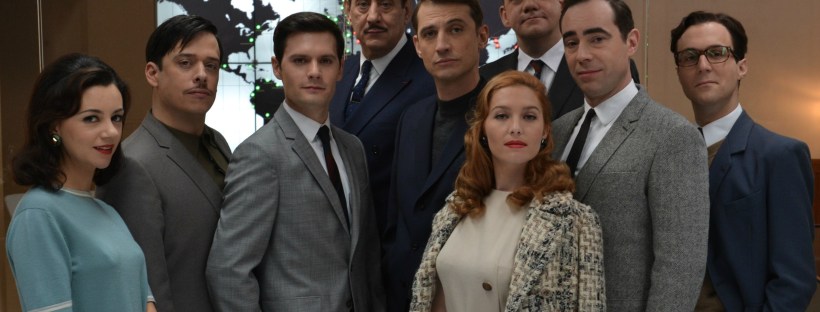
A Very Secret Service

Netflix Original! Netflix Original! I know we’ve discussed this earlier in the post but another issue with the phrase ‘Netflix Original’ is that it doesn’t necessarily mean they’ve produced and commissioned the show themselves. A whole host of BBC stuff (including Happy Valley) is billed as Netflix Original over in America purely because they’re the media company broadcasting it in some sense. Here, this is a French series by the TV channel arte and Netflix picked up worldwide distribution rights. It took me a few episodes to get into this but by the end I quite enjoyed it. It’s not side-splittingly funny but there’s humour there (although some of it is a bit bizar73802-au-service-de-la-france-une-comedie-incisive-et-hilarante-ce-soir-sur-artere. Why do they keep going on about the state of the protagonists suit?!) and the main set is fantastic. It’s all based in the French Secret Service in the 1960s complete with token misogyny and bureaucracy and a belief that France is the best thing since slice bread even though their empire is crumbling around them. It’s all presented tongue in cheek and it’s got a great themetune to boot. I would say, however, that its a real shame that the one high ranking female spy is purely there as a plot device. We never see her in action really and she often uses her sexuality to get things done. Double- timbrée!
Boy Meets Girl

I really want to like this show and yet there’s something nagging at me… that it’s not actually very good. I feel like with a lot of linear TV shows sometimes you watch them purely because there’s hope, on a week by week basis, that the next episode will be an improvement. Boy Meets Girl is one of those shows for me. Obviously it’s great to have a transgender character on screen played by a transgender actress but if the scripts and plot aren’t up to scratch there’s only so much I can excuse… Essentially, this is a 30 minute drama with the occasional joke. To class it as a comedy is misleading. Meh.

Miranda

Judge me all you like but I loved Miranda when it first aired and still do – proper studio, slapstick comedy is lacking in this modern age. Admittedly, I’m one of those terrible people who prefer comedies without laughter tracks but if it’s a studio based comedy then I can make an exception. I must have watched all the series at least four or five times now and there’s still many moments that make me cackle. I’m not so sure S1 has aged necessarily well viewing it seven years on but it’s an old familiar for me, a comedy comfort blanket when I’m not up to watching anything else.

Please Like Me

FINALLY, this show is now legally available to view in the UK via streaming service Amazon Prime. As a result, I also delved back into this, watching the occasional episode (out of sync). I won’t go into too much depth as I’ve discussed it earlier in the year but this is a *must watch*.

tv-jonathan-creek-alan-davies

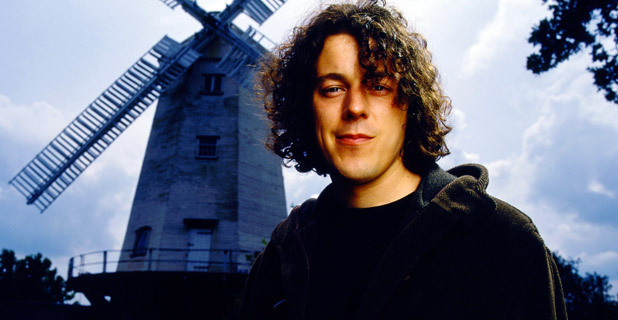
Jonathan Creek

Another comfort blanket for me when nothing else will do, although not an old familiar. I’ve mainly watched this in the past when I’ve been ill but I wasn’t willing to wait any longer to continue with it. All episodes are completely new to me aside from the very recent specials but this show is right up my alley. Mysteries, comedy, self contained episodes and all wrapped up nicely by the end. Strong casts, good solutions blah blah blah. This time round I polished off S4 and although not as strong as previous seasons (how could it be without Caroline Quentin?) this still had a lot going for it. Whether or not the new 2016 special will do too we shall see.

Celebrity First Dates

Once again Channel 4 continue to mess with my head by having new episodes of First Dates airing at a completely random time and then only for a few episodes. It moves position more than someone in a doctor’s waiting room with piles. ‘slebrity First Dates though is a nice idea and it’s always great when the date have no idea who they are.

The Readlist: June 2016

One word for you this month: disappointment. With the vast majority of books (we’re talking 99%) I will always keep them after reading them even though the space to store them is somewhat lacking. I always feel like finishing that book is a little achievement, a tick against your existence and should be added to your bookshelf as a display of your personality. Both books I read this month I immediately donated to charity shops when I finished them which should show how much I hated them.

The Shining Girls by Lauren Beukes

I’d been sitting on this book for a while and according to the receipt I found within its pages, I’d been in possession of it since summer 2013. The premise had intrigued me. At that time I read a lot of crime fiction and a plot revolving around a time-travelling serial killer sounded very original and it’d had some good reviews. Sadly, mine won’t be joining them.

With any thriller or crime novel the real aim is to make it into a page turner – a plot deep enough and interesting enough with strong characters that keeps you coming back for more. The Shining Girls fails spectacularly because its timeline fails to make it coherent enough to be a un-put-a-downable read. Obviously this was always going to be a struggle with a time travelling serial killer, but too many time jumps are placed at seemingly random intervals and there’s *too* many (in number) time jumps to keep you hooked. There’s two main time periods followed – those of the killer, and those of a failed former victim who’s looking for the truth. Between them there are then tens of other time frames, jumping around, with other victims and other characters appearing sporadically. Admittedly, the timeline does even out towards the final quarter of the book and my interest did pique but it was too little too late for me. An interesting concept, poorly delivered.

The Girl On The Train by Paula Hawkins

Oh, look what it is! Clearly, I’m very #mainstream this month and finally got round to reading one of the hot books from the past few years (we can thank a charity book stall for this, picked it up in hardback for £1!). It’s the classic premise here that Agatha Christie made famous (she was quite obsessed with trains in hindsight, which reminds me of this great Grandma’s House moment), seeing something through the windows on a train.

The protagonist here is deeply flawed, something we learn in great detail as her life story unravels alongside those of the other characters. In essence, she sees this perfect couple from her train window everyday and then *bam* she’s sees the woman kissing another man who isn’t her boyfriend. The rest of the plot spirals from there.

It’s time for my admissions: I have a deep rooted hatred for novels told in a diary format which aren’t really diaries at all. I can cope with a diary as long as its done properly but this purely used the format so it can avoid creating a tangible story thread and timeframe and easily switch between different characters. In my eyes this is lazy. Listing a date and either morning/afternoon/evening and then having the character’s internal monologue would be fine but it strays from this. It’s not a diary in the classic sense, its presented as what that character’s thinking at that time, and yet, half the time, is presented as if the events are happening in real time. Make your mind up! Is it a diary? A first person narrative? What do you want it to be?

My other issue is that it’s deathly boring and entirely predictable. Oh, look, a person just so happens to be unable to remember the events of the night when it all happened and she’s the only real witness! The characters aren’t as well layered as the author would have you believe; there’s no real nuances to them other than ‘the alcoholic’, ‘the lonely one’, ‘the paranoid one’ etc. And then BAM everything you thought all along and predicted happens at the end anyway, as the big reveal. With a small number of characters the shock factor really isn’t there when it comes to the BIG ending. With a classic murder mystery, say, the small number of characters and motives that each had keeps everything spinning until the end before the climax and everyone shuffles into a room and you’re told who the real killer is. Here, the list of characters is small to begin with and the actual list of suspects is incredibly small – yet, somehow, the book is dragged out to be far longer than it needs to be because there’s a lot of dicking about (not literally).

A film’s due for release later this year so we shall see how that does…

Long Reads & Articles

Neu Jorker I subscribed to the New Yorker for the first time this year having read it online for a few years. Here, the team behind The Onion and the excellent ClickHole have done an *amazing* spoof of the New Yorker, right down to the letters and adverts. It’s the length of an entire magazine! Superb.

Clark Home Counties 1986 saw an interesting addition to the Superman franchise with an incredibly low budget film from a very low budget company. So low budget in fact that they used Milton Keynes to film as New York. This a look around the locations and film’s failure.


The Watchlist: June 2016

Films

Just one this month…

departure-ep-peccadillo-pictures

Departure

There was a period of my life when I was around 17 when I seemed to watch an endless succession of coming-of-age films as some kind of distraction from the fact I *should* have been coming of age and wasn’t. There were no wild parties, no flawed romances, no new friends or exciting strangers crossing my path. I was just bumbling through with no epiphanies and hiding my sexuality like any good teen homosexual. I’ve still got a soft spot for the genre and fast forward to 2016 and here’s a gay coming of age film from Peccadillo films. Starring Juliet Stevenson as a mother coming to terms with her crumbling marriage, she’s gone to France to clear their French holiday home and has taken her only son with her. Elliott is played by Alex Lawther who’s a chap you can imagine being in every BBC period drama for the next ten years. And *would you believe it* the son is gay and a handsome stranger happens to cross his path! I jest, I jest. But srsly, Elliott’s this lonely, arty individual who’s working on his poetry and falling in love for the first time (and with carrots). This is actually a really nicely done film. Sure, it doesn’t really go anyway in particular and isn’t going to change the world but it’s a lovingly crafted drama with strong leads.

Television

Orange Is The New Black: S4

One of the most talked about programmes of the past few years returns and people were a little anxious about Season 4. S3 was mocked for being too dull but I have to say I enjoyed it and found it refreshing – the thing that keeps OITNB together is the strength of its characters and S3 focussed on them and showed the background of many of those in the fringes. Clearly, however, producers are worried about how to keep the OITNB train rolling. Characters are great, but there’s only so much you can do within a closed prison environment – their answer? Bring in a shedload of new characters. If the prisoners can’t go out and meet new people let’s bring the people to them. In this season, inmate numbers are up with a fresh intake (it’s a privately run prison now and they’ve doubled capacity), there’s a load of new guards and a new Head Honcho called Piscatella (seemingly the very definition of a gay bear on Grindr). Caputo is up against it as ucleerf6xeaaxfelsual, trying his best with little budget and now under the constraints of a corporation. Once again, the show moves further away from Piper – her storyline has been told, as has Alex’s and Red’s and Burset’s… and the series suffers from having no real focus. Sure the character ensemble is strong but you need something to ‘rally’ the troops as it were and there’s nothing here. As much as enjoyed the pace of S3, S4 didn’t learn from its mistakes.
The start of the series is unbelievably fluffy and, dare I say it, a little dull. There’s lots of plates spinning continuously that aren’t all that interesting. The only thing keeping it going is the ability to bingewatch the show. I firmly believe that if this was a linear TV programme aired weekly audience would drop off a cliff week by week, with some of the end of episode cliffhangers incredibly woeful. It picks up towards the second half and the message of inherent racism in society becomes reinforced well (and tragically) in the final episodes. It’s clear to see, however, that OITNB is little tired – the ending of S4 hints at changes to come though…

The Americans: S1

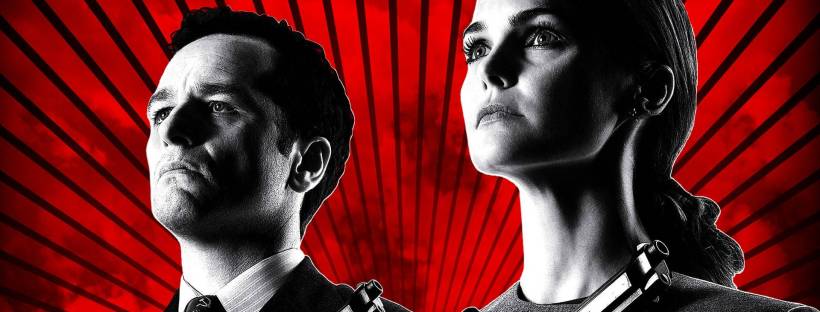
This show’s very hidden away in the UK. Originally picked up by ITV it was given a Saturday night ‘late’ slot that ended up being pushed back later and later and now it resides on Sky exclusive channel ITV Encore. I was keen to get back into it – I’d heard good things about it, and indeed, raved about it myself when the first season was over our way. Somehow in the intervening years I’d convinced myself that I’d watched the first half of S1 and then dropped out for whatever reason and was going to start with S2 watching instead. I plumped for a full rewatch which was probably wise – it turns out I’d merely seen the pilot and then never watched it again although I loved it. The complete ineptitude of ITV Player back in 2013 must have scared me off committing.

This is a strong drama. The Cold War era is endlessly fascinating but its easy to make TV dramas set around that time full of clichés and unsurprising (saying this, The Game on BBC Two last year was great). The Americans spins the perspective around and goes with the ‘anti-hero’ device, something I’d say is surprisingly under utilised in dramas, as we follow Soviet spies living a life of an American couple. It’s strong, it’s tightly plotted and ensures you commit to the characters – it’s very comparable to Mad Men. (Hopefully it won’t fall into the trap of taking viewers for granted – I fell strongly out of love with Don Draper mid way through the show even when it was trying to convince me to continue worshipping him) Obviously, with any drama, there’s some weak episodes here but overall for a first season it’s a strong start. Some of the flashback scenes do feel a little convoluted and cheesy so I’ll be interested to see if they make a return in S2.

unreal_still

UnREAL

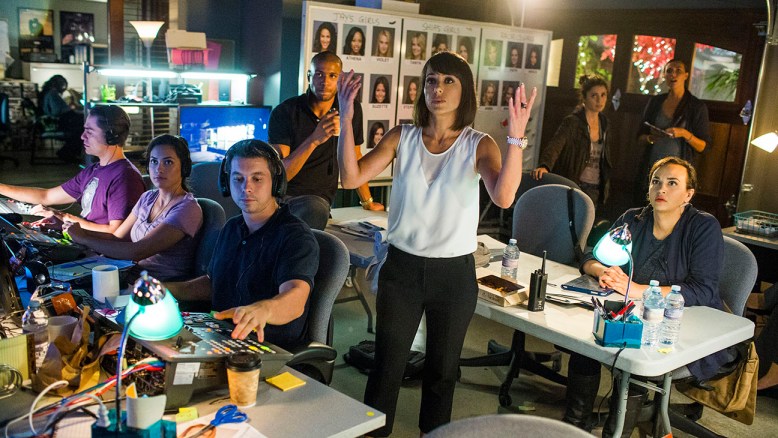
Oh, reality TV. While everyone seemed to be going nuts for Love Island I settled for the other thing everyone was going on about – a TV drama set behind the scenes of a Bachelor-esque reality TV show and written and produced by someone with real life experience of the genre. The two main characters here are Rachel, the great but flawed producer on the show who hates it but is great at her job, and chief producer Julia, played by Constance Zimmer. This became oddly unsettling to me because Julia doesn’t seem all that different from the press officer Zimmer plays in The Newsroom.

Episode 1 is a very strong opener and the series overall isn’t terrible but the show clearly thinks it’s far more clever and different than it is in reality – “look, our protagonist works on a TV show that belittles women and makes them look like man hungry objects but wears a ‘This Is What A Feminist Looks Like’ t-shirt for two episodes!” – and yet falls into the same dull traps as any dirty big American TV show. Airing on Lifestyle over there, a network not exactly known for strong dramas (indeed this was their first series, they took a stab in the dark greenlighting this), they viewed S1 almost as a pilot within itself. This interview with the show’s producer in the New Yorker is worth a read. It gets very spoiler heavy half way through so tread carefully.

disparue

The Disappearance

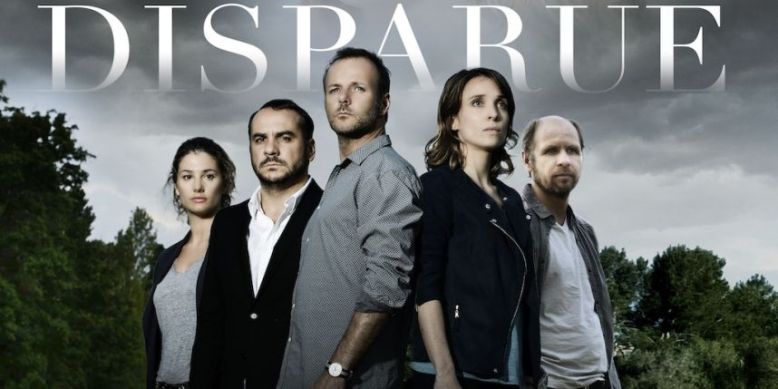
This month’s foreign drama of choice is this French family thriller with the classic device of ‘young girl disappears’. So far, so dull… and yet The Disappearance gets so many things right. The ensemble cast is incredibly strong and particularly Alix Poisson as the girl’s mother. For a show that follows so many TV mystery tropes (the parents aren’t perfect, the brother’s a little mysterious, there’s an Uncle, there’s a boyfriend, there’s infidelity, there’s a male and female cop duo) it feels remarkably original. It’s a real shame, however, that the female police officer was wasted as a character. Every seed that was sown about her personal life was forgotten about quickly and yet she gave the impression of being a far more intriguing and layered character than divorced-male-cop-with-mildly-rebellious-plot-device-daughter. There’s enough red herrings to keep you hooked and armchair detectives will feel satisfied. Fans of Broadchurch or The Missing will love this and it’s far superior to the former.

City In The Sky

If there’s one thing that TV doesn’t need another of, it’s a transport documentary. You can’t move for them in the schedules – when one on the London underground finishes, there’ll be on on Stansted Airport round the corner. That said I (and obviously many others!) can’t get enough of them. City In The Sky tries to do something different with the air travel documentary and focusses on the elements on flight – the preparation and take off, the journey itself and the landing. The series is so called because its estimated that at any given time there’s a whopping 1.2m people in the sky toing and froing between destinations and the ‘city’ is expected to double in size in the next two decades. There’s very little here that I haven’t seen explored before in other documentaries and yet it comes across as remarkably fresh, in part because the two presenters, Dallas Campbell and mathematician Dr Hannah Fry, are extremely likeable. They’re not telling you things but exploring it with you and holding your hand along the way. I do detest the ‘hip’ method of the presenters “texting” each other throughout each episode though – this isn’t an episode of Hollyoaks.

p03szkr1Mum

There was a lot of people on Twitter claiming this was the best sitcom since sliced bread. The most startlingly thing for me was its similarity to Simon Amstell’s impeccable Grandma’s House – even the house the episodes revolve in looks more or less identical! Just by some happy coincidence all the characters happen to have popped round on the same day and everything falls into place from there. This is a sitcom that thrives on the mundane – it’s slow, it’s ploddy, it’s awkward, it’s in real time and successfully manages to be a good mirror for real life. Poor old Mum puts up with crap because it’s easier than arguing (isn’t that always the way? Anything for a quiet life, eh) and the characters we meet in Episode 1 are the same as those in episode 6 but we’ve learnt far more about their character, their nuances and everyone isn’t what they seem on the surface. I hate to use the overused onion analogy but their is a bit of layer pulling going on here. Kelly is a masterpiece.

Love, Nina

Helena Bonham Carter in something not directed or produced by Tim Burton – what a treat. I enjoyed this; a very light BBC One sitcom.

Panorama: The Orlando Massacre

Kudos to the production team for focussing on those inside rather than the gunman. This is the story of the clubgoers and their retelling of events inside Pulse that night. I’m not ashamed to say I cried watching this.